


top646 | Exploring the Diverse World of Simulation Games
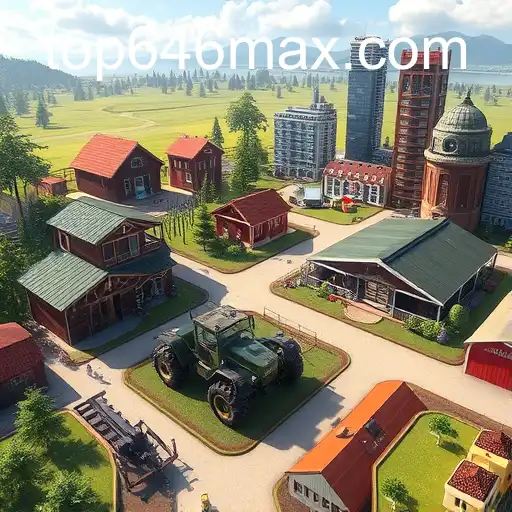
In the ever-evolving world of digital entertainment, simulation games have established themselves as a staple genre, captivating audiences with their unique blend of creativity, strategy, and skill development. Known for their ability to replicate real-world activities in a digital environment, simulation games offer players a unique opportunity to engage in a wide array of activities, from building cities to managing empires or even flying planes.
The genre's appeal lies in its versatility and educational potential. By simulating real-life scenarios, these games educate players in areas such as resource management, decision-making, and critical thinking. Additionally, they often include complex systems and algorithms, providing a deep and rewarding gaming experience that caters to a wide range of interests and age groups.
For example, city-building simulations like SimCity and Cities: Skylines allow players to design, manage, and expand urban landscapes. These games foster creativity and strategic planning while teaching urban planning concepts. Similarly, flight simulators such as Microsoft Flight Simulator give users the thrill of flying aircraft, complete with realistic physics and worldwide landscapes, offering an experience that's as close to piloting as one can get without leaving the ground.
One of the attractions of simulation games is the sheer amount of customization they offer. Players can create and live out scenarios according to their preferences, making for a highly personalized gaming experience. This aspect of customization helps attract a diverse audience and keeps players engaged over long periods.
In recent years, the rise of social and mobile gaming has expanded the reach of simulation games, making them more accessible than ever before. Games like The Sims and Animal Crossing have capitalized on this trend by integrating online features and community-building aspects, allowing users to connect with others and share their creations.
With the advent of virtual reality and augmented reality technologies, the future of simulation games looks even more promising. These technologies are poised to take the immersion factor to new heights, offering players an unparalleled level of engagement. As these advances continue to roll out, simulation games will likely evolve, offering even more realistic, intricate, and interactive experiences for gamers around the world.
In conclusion, simulation games, identified under the keyword 'top646', offer a unique blend of entertainment and education that is appealing to a broad audience. They challenge players to think critically and creatively, offering deep experiences that go beyond mere entertainment. As technology continues to advance, the boundaries of simulation gaming will undoubtedly expand, providing gamers with innovative ways to experience the world through simulation.
